Gradus Kraus sends chilling warning ahead of Rotterdam showdown
Gradus Kraus Is Coming to Rotterdam, and He's Not Interested in Going the Distance
There's a gym in Oss that most people will never hear about. No cameras rolling, no Instagram reels of highlight combinations. Just Gradus Kraus, twice a day, every day, working like a fighter who doesn't need a fight date to justify the effort.
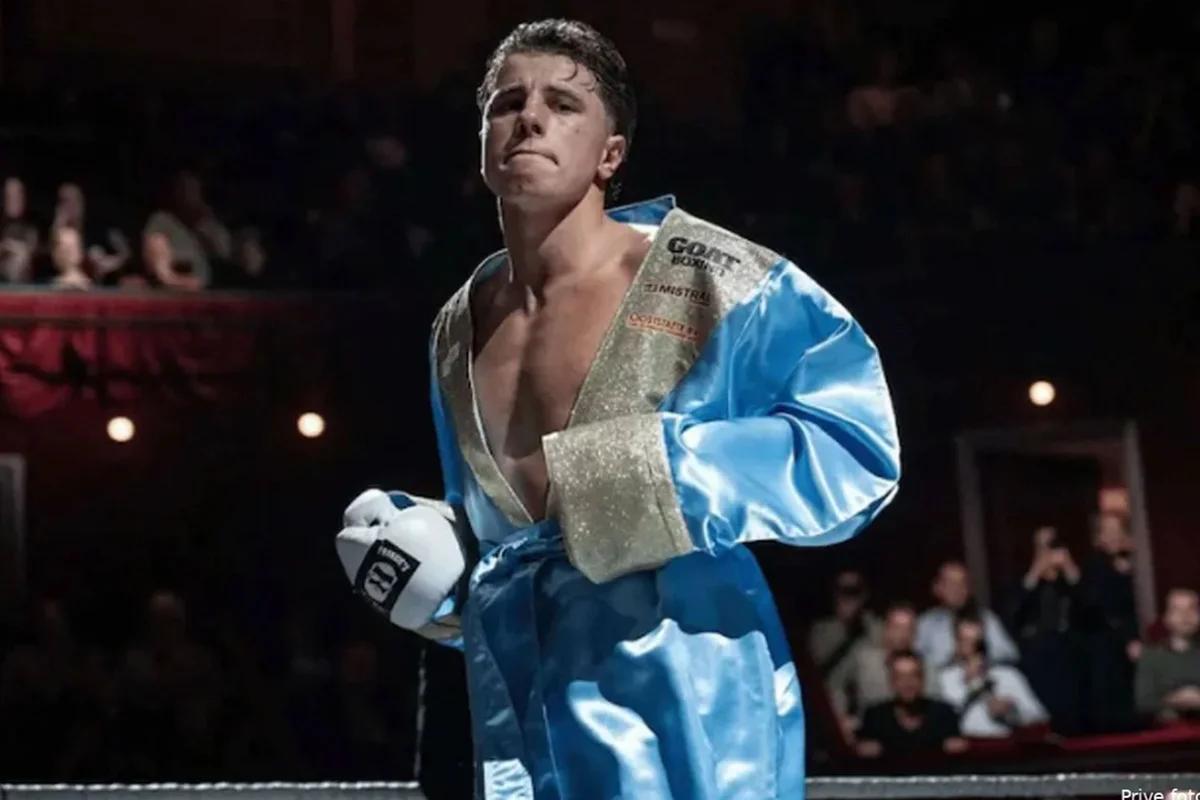
That changes on May 9th. The unbeaten Dutch heavyweight prospect steps back onto the Boxxer stage at the Topsportcentrum in Rotterdam, and if his first appearance under that banner was any indication, the crowd won't be watching long.
Ten fights. Ten finishes. Not a single opponent has made it to the final bell.
His Father Already Knew
The name Kraus carries serious weight in Dutch combat sports. Albert Kraus — four world titles across kickboxing and Muay Thai, 115 professional wins, 79 knockouts — built one of the most recognizable careers in European striking history. He also trained his son.
Not for this camp. By now, Gradus has sparring partners capable enough to handle the work without Albert needing to lace up and fill in himself. That used to happen when nobody else showed. Those days are gone.
"I'm definitely more nervous than he is," Albert admits, laughing in a way that tells you he's not entirely joking. "He's never nervous. But I've trained him, I've felt what he has — and in my whole career, I've never seen anyone like him."
Back at the family home in Oss, the trophy room fills in the backstory. Youth kickboxing titles, medals from across the country. His IBF boxing belt sits beside his bed. On the wall hangs a pair of pink shorts — his very first kickboxing trunks. Albert had ordered them with the Dutch flag and forgot to specify a color. They hung them up anyway.
Nine months before Gradus was born, Albert told people this child would be something special. They laughed. He didn't argue. He just waited.
Power You Can't Manufacture
Ask Gradus what makes him dangerous and he doesn't reach for metaphors or promotional language. He keeps it simple, almost blunt.
"Power is something you have or you don't. I have it — and I use it the right way."
He believes natural punching power is real, that it can be refined but not invented, and that the real multiplier is timing and positioning rather than raw size or strength. His training partners will tell you the same thing without being asked. So will his coaches. There's a particular kind of quiet confidence that comes from knowing your opponents usually don't see the third round — and Kraus carries it without making a production of it.
What he'll also tell you is that nobody has seen his full range yet. Every fight has ended before he's needed to show much depth. He's not frustrated by that, exactly — there's a practical advantage to keeping opponents guessing — but there's clearly more underneath that hasn't surfaced in a professional ring.
Recovery in this camp has run through a hyperbaric chamber in Oss, weekly, slotted in between double training sessions. Eight rounds of sparring with teammates. Head sharp, body right.
A Kickboxing Country Learning to Box
The context matters here. The Netherlands has produced some of the most destructive strikers in combat sports history, and Albert Kraus is one of the people who built that reputation. Kickboxing is the native language. Boxing is still learning to speak Dutch.
Gradus thinks that can change, and he's not being idealistic about it. He points to the mentality — the aggression, the work ethic, the willingness to stand and fight — as something already baked in. The technical differences between disciplines are real, but they're learnable.
"If Dutch fighters can be the best kickboxers in the world, they can be the best boxers too," he says. "The technique is different, but the mentality is already there."
His Boxxer debut backed up the idea. A finish inside two rounds on a serious platform, handled without drama. [FSI247's coverage of the Dutch boxing scene](https://fsi247.com) has tracked this development closely, and Kraus fits the narrative the sport is trying to build here.
Baby, Belt, and a Very Clear Priority Order
There is one variable even Gradus admits he can't fully control right now. His wife is due around fight week. Their four-and-a-half-year-old daughter — who already trains twice a week and does footwork drills with her father — danced with him at his last ring walk. The second child has slightly worse timing.
"If it comes before the fight, then it comes," he says with a shrug that looks genuinely unbothered. "I'm focused on the fight. After that, the baby can come."
The long-term target is undisputed at light heavyweight. Cruiserweight after that, potentially. [ESPN's current light heavyweight rankings](https://www.espn.com/boxing/) show how crowded and difficult that division is at the top — but Gradus isn't talking about what's comfortable. He's talking about what he wants.
His record is spotless. His father is watching from the corner of the gym with more nerves than his son has ever shown. And on May 9th in Rotterdam, whoever is standing across from him will have a short window to figure out what nobody in ten professional fights has managed to solve.
He's not going there looking for rounds. He never is.
Ron
Ron Emmerink is founder of FSI247.com and former founder of Vechtsport Info, widely recognized for covering kickboxing, MMA, and combat sports. With nearly 20 years of experience, he built a reputation for objective journalism, expert analysis, and credible reporting, contributing to major Dutch media while authoring a respected book on kickboxing history.