Dana White hints at UFC’s return to Japan if Tatsuro Taira wins UFC gold
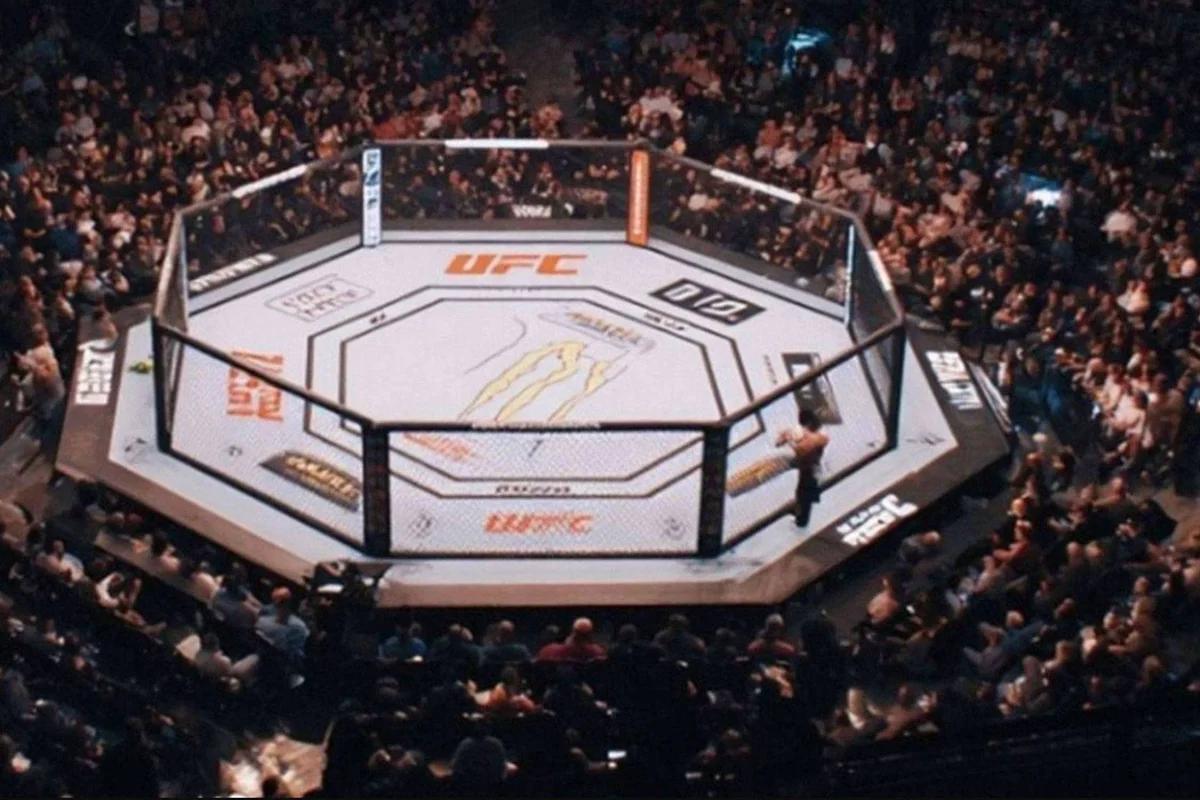
There's a weight to this moment that extends far beyond the octagon at UFC 328. Tatsuro Taira isn't just fighting for a flyweight title this weekend—he's potentially fighting to reshape the entire landscape of combat sports in Japan.
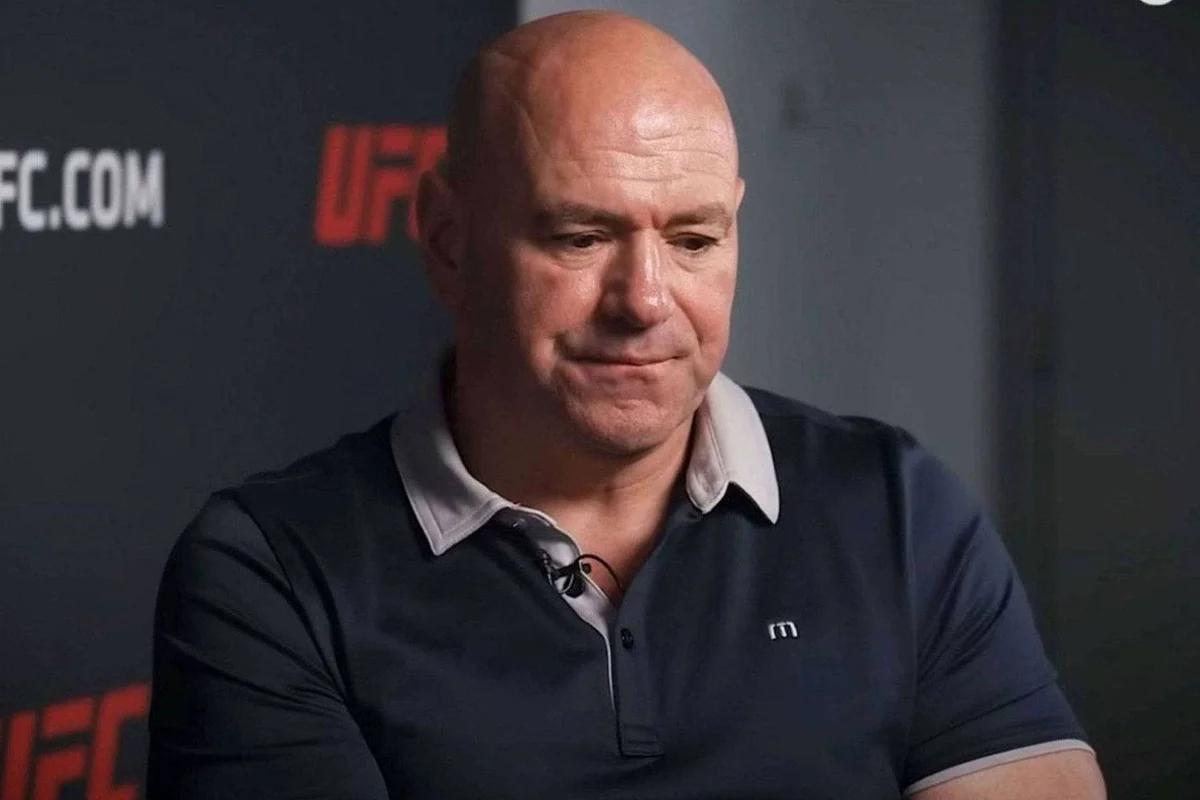
The Japanese fighter sits on the cusp of something extraordinary. If he dethrones Joshua Van and becomes the first Japanese-born UFC champion, Dana White has already signaled the promotion could return to Japan for a major event. That's not speculation or wishful thinking. That's the UFC president on record, telling CBS Mornings exactly what's in play.
"If this kid wins, we could go do a fight in Japan again," White said with characteristic directness.
The setup is almost too perfect
Van claimed the flyweight gold on the same December night that Taira demolished former champion Brandon Moreno. Both earned their stripes simultaneously, both moved forward. Now they collide. The narrative practically writes itself—young Japanese fighter with legitimate title credentials facing an opponent who's been anticipating this moment since their paths crossed in the rankings.
Taira's resume speaks for itself. An 18-1 professional record with eight wins inside the UFC. More importantly, he finishes fights. This isn't some grinder who grinds his way to decisions. He's a finisher in an era where finishes carry weight with casual viewers and hardcore analysts alike. The Moreno win at UFC 323 wasn't just a victory—it was a statement. He stopped a former champion, a guy who'd held that belt not long ago.
What Japan has been waiting for
Walk into any MMA gym across Japan and you'll hear the same thing: Japanese fighters have struggled to crack the UFC's highest tiers despite producing exceptional talent for decades. There have been world-class competitors, talented strikers, savvy grapplers. But never a champion. Never someone to hold the organization's most prestigious prize while wearing the Japanese flag.
During media day, Taira articulated what's really on his mind. It wasn't bravado or generic championship talk. "It's my dream, and also the Japanese fans," he said. "Japanese fans have been waiting for the UFC belt. I will win and bring the UFC belt back to Japan."
He added something that stuck: "After I win the belt, I want to help bring a big, big UFC event to Japan."
That's not a fighter thinking about the next fight. That's someone thinking about a movement.
Why White's promise matters
The UFC has had a complicated relationship with Japan over the years. The promotion has held events there, certainly. But a true homecoming event—something with massive production value, arena capacity crowds, and genuine juice behind it—hasn't happened in years. White's casual comment about returning if Taira wins isn't casual at all. It's a calculated signal to Japanese fight fans that there's real incentive here beyond the immediate title fight.
Japan is a market the UFC has always wanted to crack more thoroughly. It's massive, passionate about combat sports, and historically underserved by the organization. A Japanese UFC champion changes everything about the marketing equation. Suddenly, major events in Tokyo or Osaka aren't just another international card—they're homecomings with championship implications.
The weight of expectation
This is where things get complicated for Taira, though. Expectation is a different animal than motivation. Everyone will be watching. The Japanese media will be watching. Japanese fans who've waited decades will be watching. Van knows this too. The champion isn't some opponent sleepwalking into a title defense. He's a fighter who earned his belt and has every reason to believe he can keep it.
Taira's 8-1 UFC record is exceptional, but that one loss matters in context. At this level, losses aren't forgotten. They're analyzed, studied, weaponized. Van will have done his homework. He'll know every sequence from that defeat, every pattern in Taira's striking, every timing tell.
The flyweight division has been genuinely competitive in recent years, though. It's not like Taira is walking into a buzzsaw or facing some unstoppable force. This is a matchup between two legitimate title contenders where either outcome wouldn't shock the informed observers at [ESPN's MMA rankings](https://www.espn.com/mma/rankings).
What comes next if it happens
If Taira wins—and that's still a significant "if"—White's promise about Japan becomes a priority rather than a possibility. The UFC doesn't make those kinds of public commitments lightly. They've already staked something on it.
A title fight in Japan with Taira as champion would draw differently than any previous Japanese UFC event. The numbers would look different. The intensity would be different. The sense of vindication for Japanese fight fans would reshape how they view the organization. That matters to a promotion constantly chasing new markets and deeper penetration in existing ones.
For now, though, Taira has to do the hardest part. He has to actually beat Van. Everything else—the promises, the homecoming events, the championship celebrations—hangs on that one fight.
That's why this weekend matters more than just another UFC card.
Ron
Ron Emmerink is founder of FSI247.com and former founder of Vechtsport Info, widely recognized for covering kickboxing, MMA, and combat sports. With nearly 20 years of experience, he built a reputation for objective journalism, expert analysis, and credible reporting, contributing to major Dutch media while authoring a respected book on kickboxing history.